


How does a 3D scanner work? Modern measurement technology explained
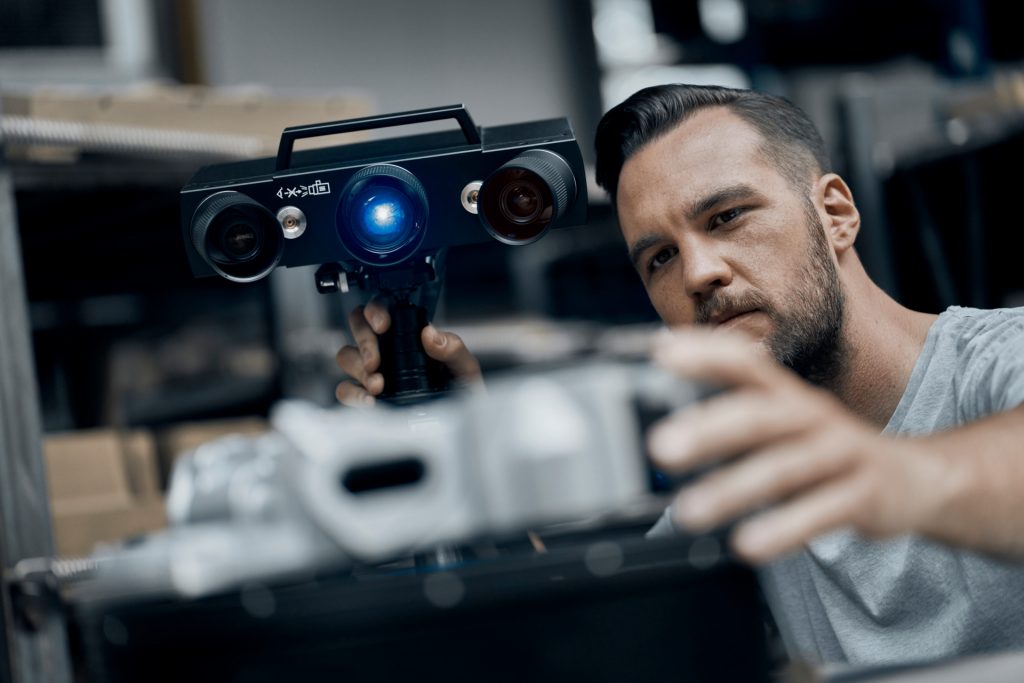
The precise digital capture of objects plays a central role in industry, research, and quality assurance. This is where modern 3D scanners demonstrate their full value. The way it works enables accurate measurement of even complex geometries and the finest surface details, producing reliable digital models in the process. Whether using light or laser, today’s scanning technology is essential for generating consistent point clouds and highly detailed 3D models.
In this guide, you’ll learn how a 3D scanner works, which types of 3D scanners exist, and what a 3D scanner is used for. You’ll also discover how ZEISS software solutions transform raw scan data into meaningful models and analyses — enabling accurate, reliable results across diverse applications.
Precision engineering in aerospace with 3D scanning
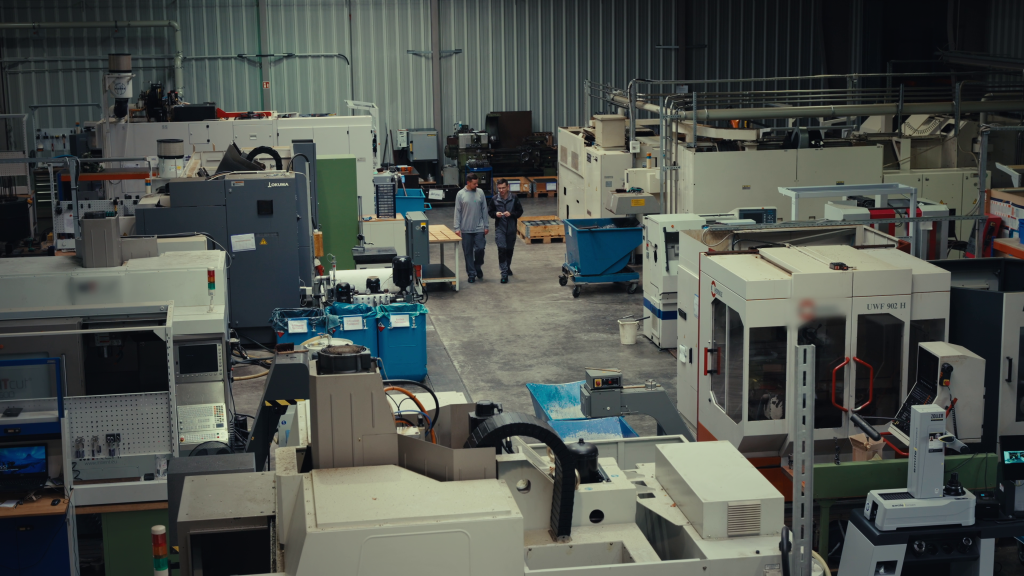
Aerospace manufacturing demands the highest precision and innovation to meet the industry’s rigorous standards. Andreas Bruns Zerspanungstechnik has embraced advanced 3D scanning technology to optimize production and quality control, ensuring their complex parts meet the highest requirements.
How Immensa transforms the physical into digital
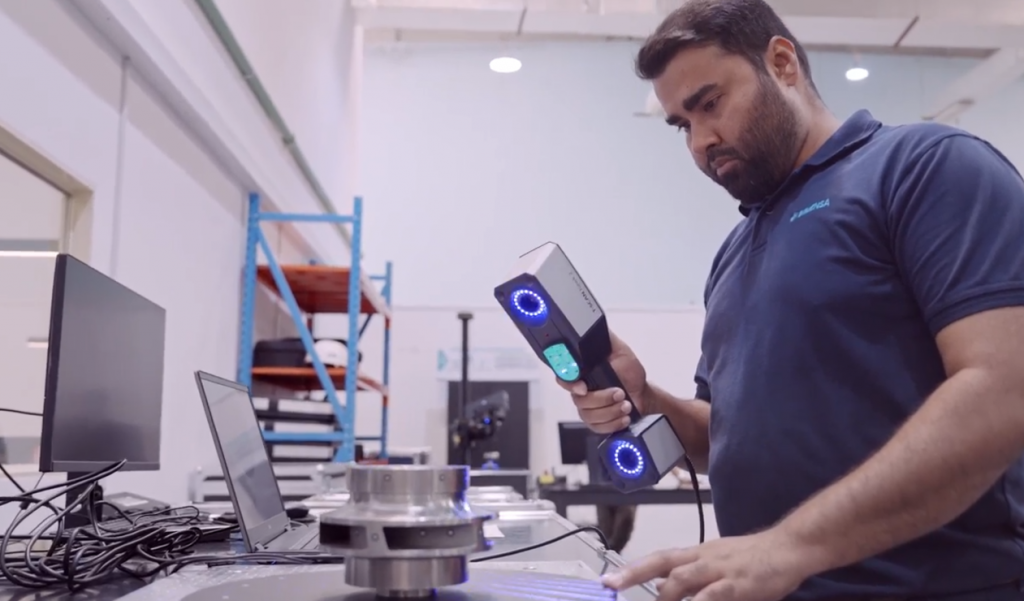
Dive into the fascinating world of Immensa, a company that’s making waves in the supply chain and manufacturing sectors. Immensa is well-known as a supply chain technology company or as an on-demand manufacturer. But what truly sets them apart is their unique ability to transform physical objects into digital assets. Let’s explore how they’re bridging the gap between the physical and digital!
Inspect the insides of medical plastic parts
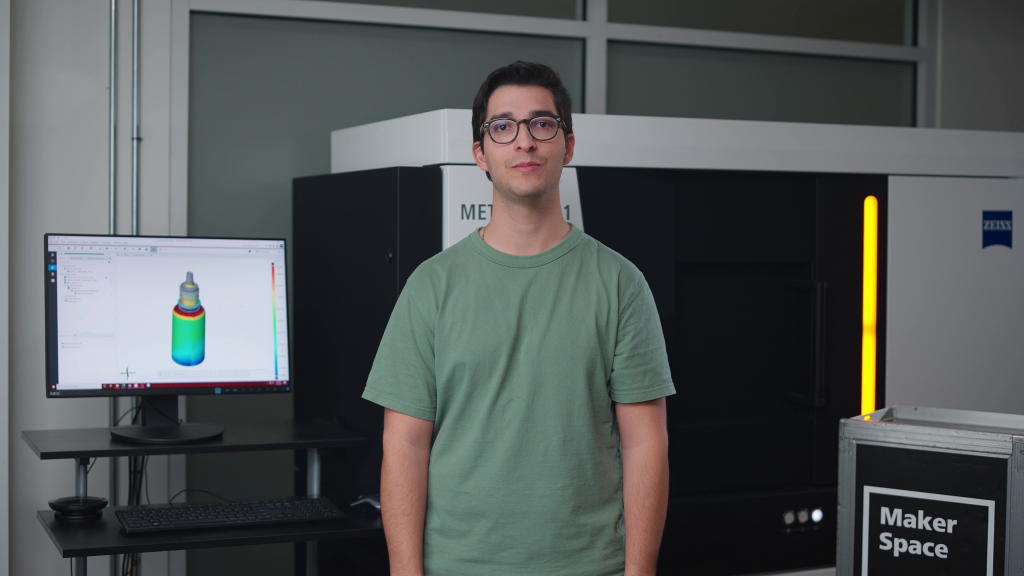
Medical parts are often transparent and translucent which can be tricky for optical measurements. At the same time, medical components require confident evaluation of tiny channels and inner structures. A scanner like ZEISS METROTOM 1, which acquires data via X-ray images, captures the complete inside and outside geometry non-destructively and with high precision.
Scanning small parts with GOM Scan 1 and ATOS Q

From plastics to electronics and consumer goods, small parts are everywhere. Their geometries range from simple to complex with fine structures and tiny holes, each with specific measurement requirements. With the 3D scanners GOM Scan 1 and ATOS Q, scanning small parts is easy.
Optimizing electric motorcycles with hand-held 3D scanner
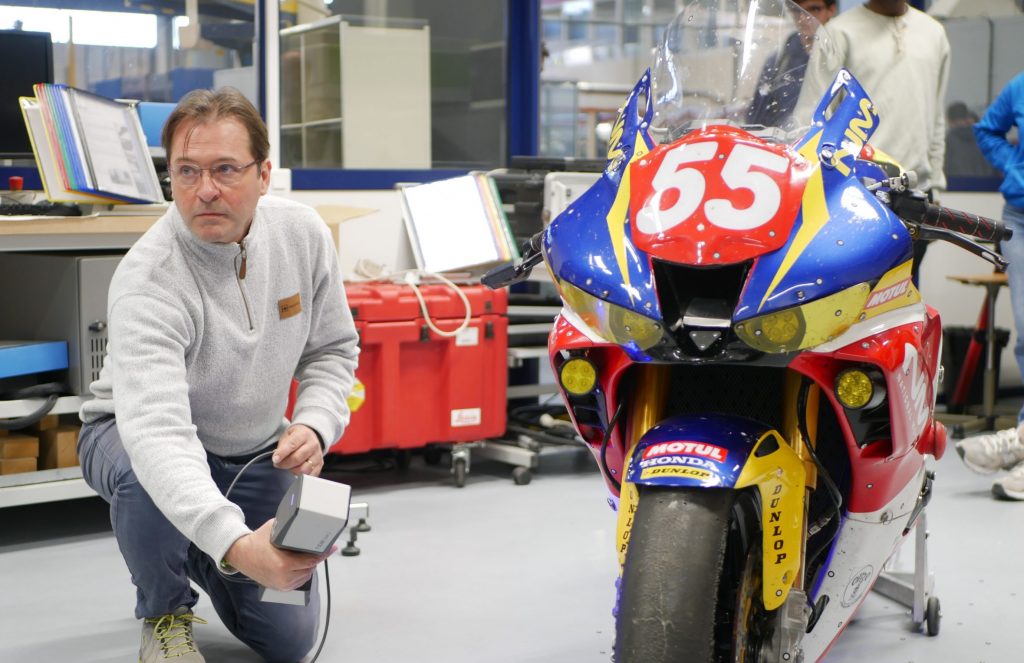
Young engineers have big goals – joining the 24 Hours of Le Mans Moto in France. The twist? Taking part in the competition with the first all-electric motorcycle. The hand-held 3D scanner ZEISS T-SCAN hawk 2 supports them in bringing a functional and powerful motorcycle to the starting line.
Creating 3D NFT with 3D scanning solutions by ZEISS
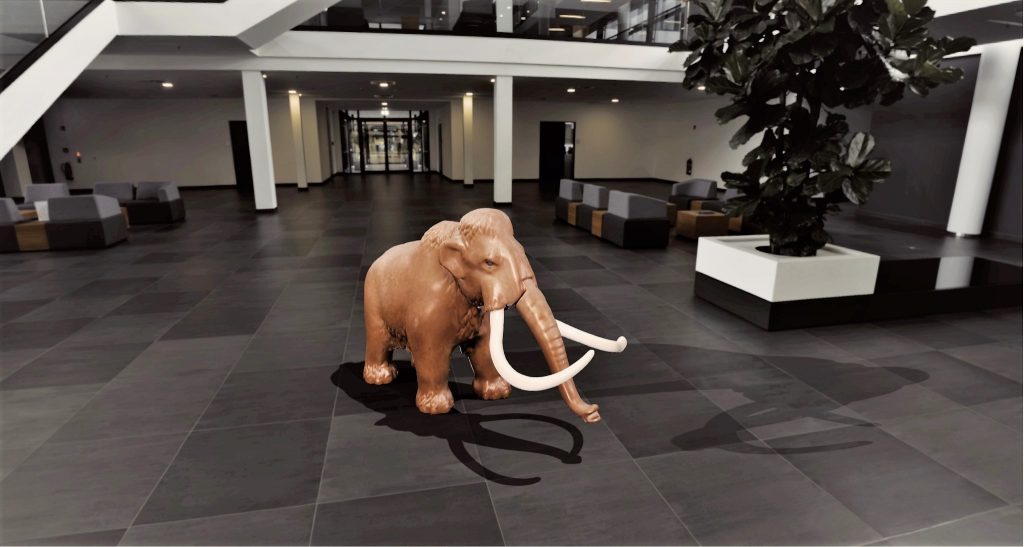
NFTs are currently in high demand and are bringing new momentum to the digital art and collector world. The virtual units, which have their origins in the crypto cosmos, can be sold and auctioned via marketplaces. They are built on a blockchain – so where does 3D scanning come into play with NFTs?
Custom car-rebuild with 3D scanning solution ZEISS T-SCAN hawk 2 at Girl Gang Garage
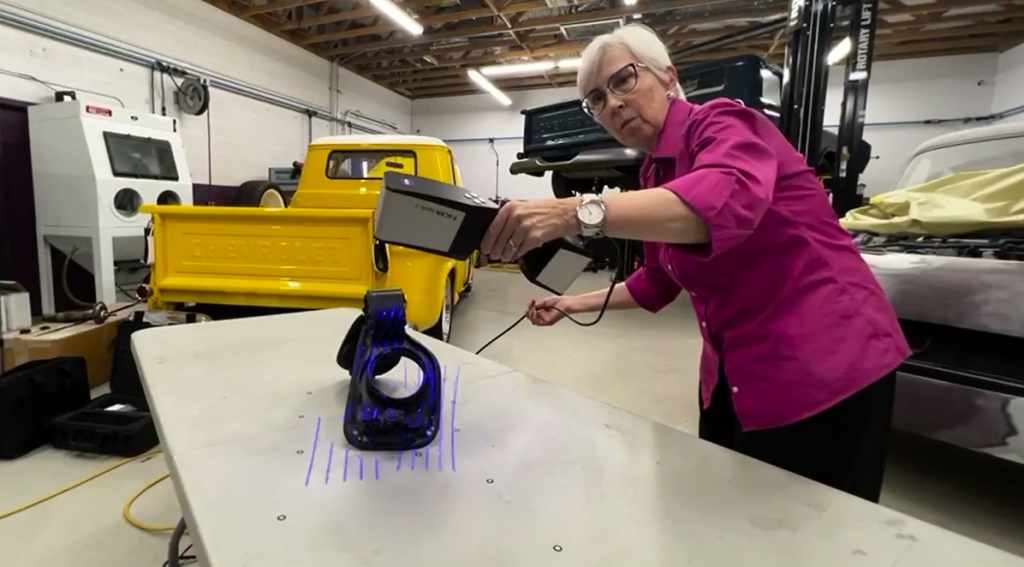
Watch Pam customize an EV charge port cover with the help of 3D scanning solutions by ZEISS, reverse engineering and 3D printing.
Digital warehousing and reverse engineering with 3D laser scanner by ZEISS
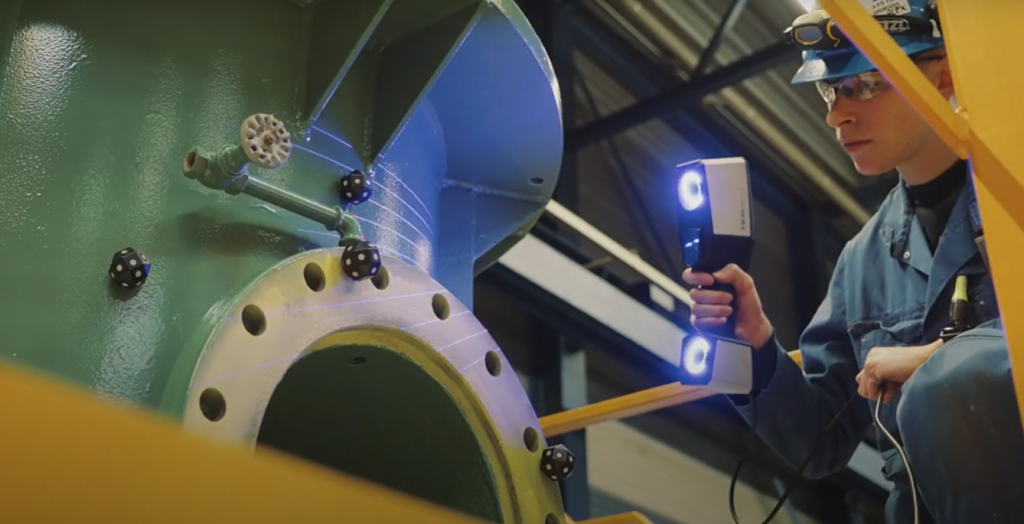
With the help of 3D laser scanners, the company Stork maintains their customer’s part quality in the most diverse industries. In this article we highlight parts of their working, also being reverse engineering as well as digital warehousing for more efficient quality assurance.