Rapid repair of fire truck components using 3D scanning and additive manufacturing
In this article you will learn more about the efficiency of 3D scanning and additive manufacturing for repair projects. ABR 3D Print swiftly restored a damaged fire truck using advanced 3D scanning and printing technologies. By employing ATOS Q for precise on-site scanning, they captured the vehicle's geometry to reconstruct and print the missing part.
Editorial
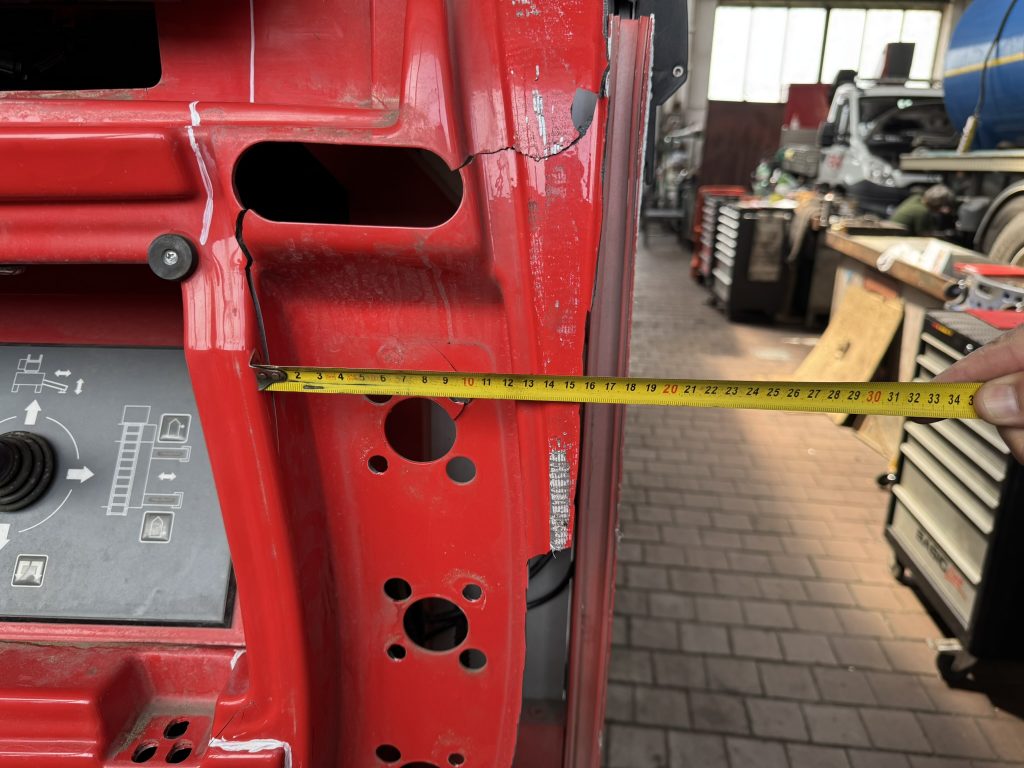
In the world of emergency services, every second counts. When a Magirus Iveco fire truck suffered damage during a fire department operation in Zlín, Czech Republic, the urgency to restore it was paramount. The rear plastic cover on the aerial ladder platform was damaged and needed replacement. This is where ABR 3D print stepped in, utilizing cutting-edge technology to provide a fast and reliable solution.
ABR 3D print, located in Uherské Hradiště, Czech Republic, is at the forefront of industrial 3D printing, scanning, and post-processing technologies – specializing in a variety of sectors including automotive, defense, medical, and engineering.
An efficient 3-step repair process
With the damaged part, the Zlín Fire Department turned to ABR 3D print for a solution that would minimize downtime. The stakes were high; the fire truck needed to be operational as quickly as possible to keep the fleet complete. To guarantee exactly that, the repair process needed to go through following 3 steps:
1. Capturing geometry on-site
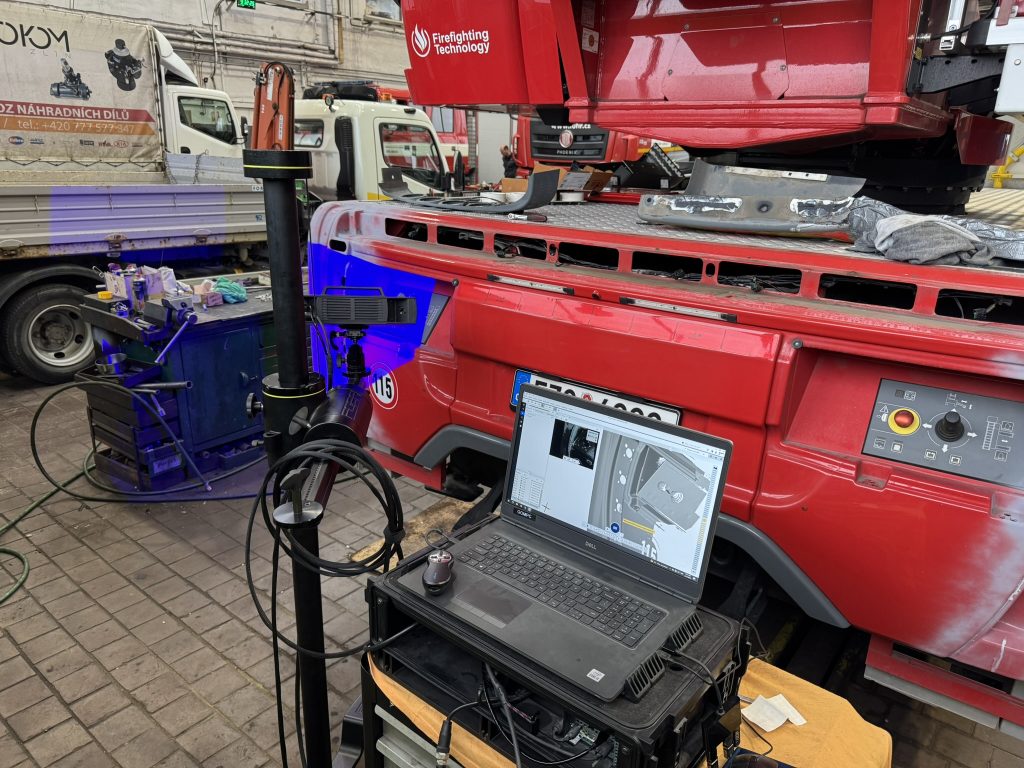
To kick off the restoration process, the ABR 3D print team visited the fire truck on-site. They employed the mobile and robust 3D scanner ATOS Q for 3D scanning, capturing the vehicle’s geometry with remarkable precision. This method eliminated the need to dismantle the vehicle, allowing for a seamless and efficient data collection process.
The scan data, captures within ZEISS INSPECT software, became the foundation for reconstructing the missing geometry. This ensured that the new part would fit perfectly.
Fig. 1: Scanning process using ATOS Q
2. Rebuilding & printing the component
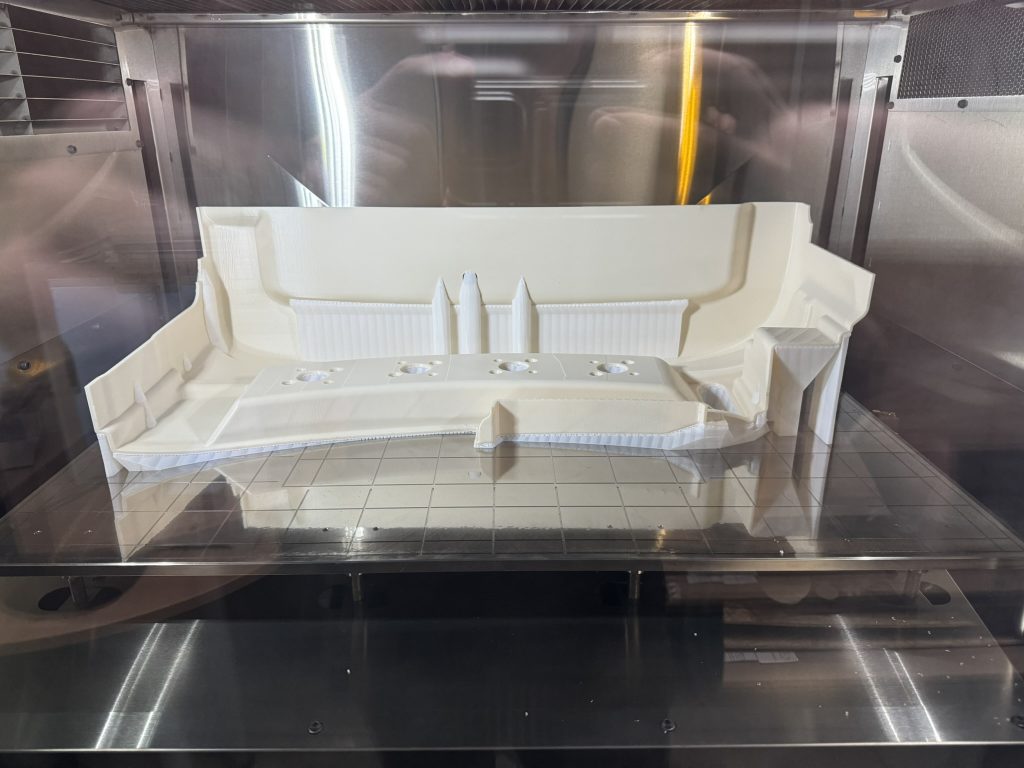
With the scanned data in hand, the team utilized advanced software tools to reconstruct the entire 3D model of the damaged cover. After thorough validation, they proceeded to 3D print the component using an industrial printer.
The choice of material was crucial; ASA thermoplastic was selected for its UV resistance, weather durability, and excellent surface finish quality – attributes that are essential for outdoor vehicle applications.
Fig. 2: 3D printing of the damaged part
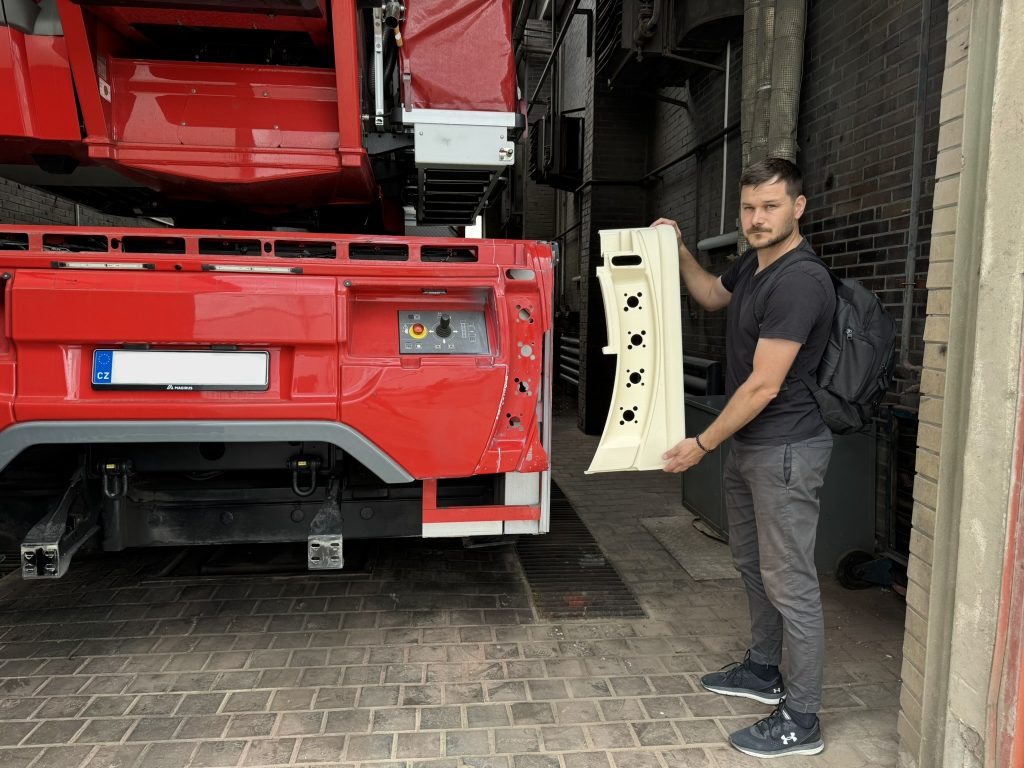
Fig. 3: First check of the part on-site
3. Painting & installation
Once the part was printed, it was delivered to Autokom Tečovice for final painting and assembly. The entire process, from scanning to installation, took less than two weeks, allowing the fire truck to return to service with the new part seamlessly integrated.
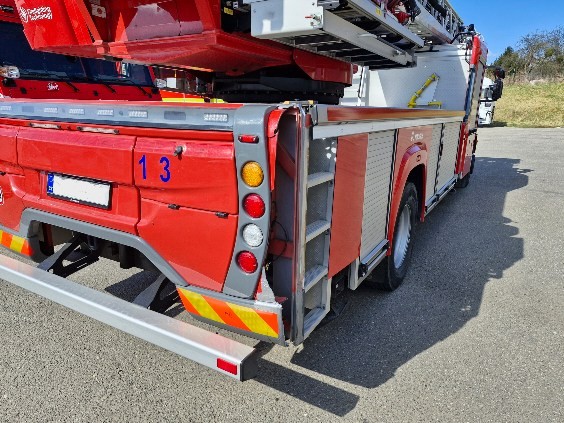
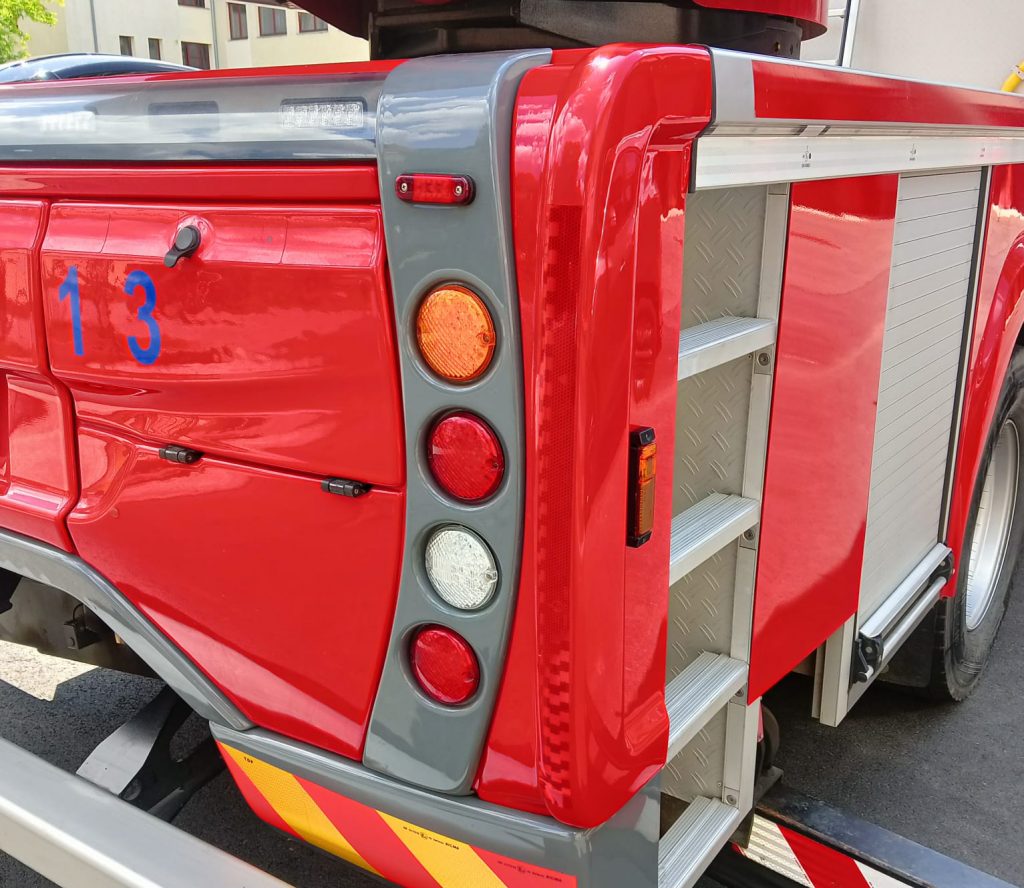
Fig. 4: Fire truck with built-in reverse engineered component
Fast turnaround and precision repair
What would typically take months was accomplished in a fraction of the time, thanks to the combination of precise metrology and additive manufacturing. By scanning directly on-site and leveraging large-format 3D printing, ABR 3D print enabled the Zlín Fire Department to minimize downtime and restore the full functionality of their vehicle.
Level up your repair processes
Ready to explore all the benefits 3D scanning has to offer? Contact us now to find the right solution for your metrology task at hand.